Managing slope stability hazards in Auckland: practical guidance for land development

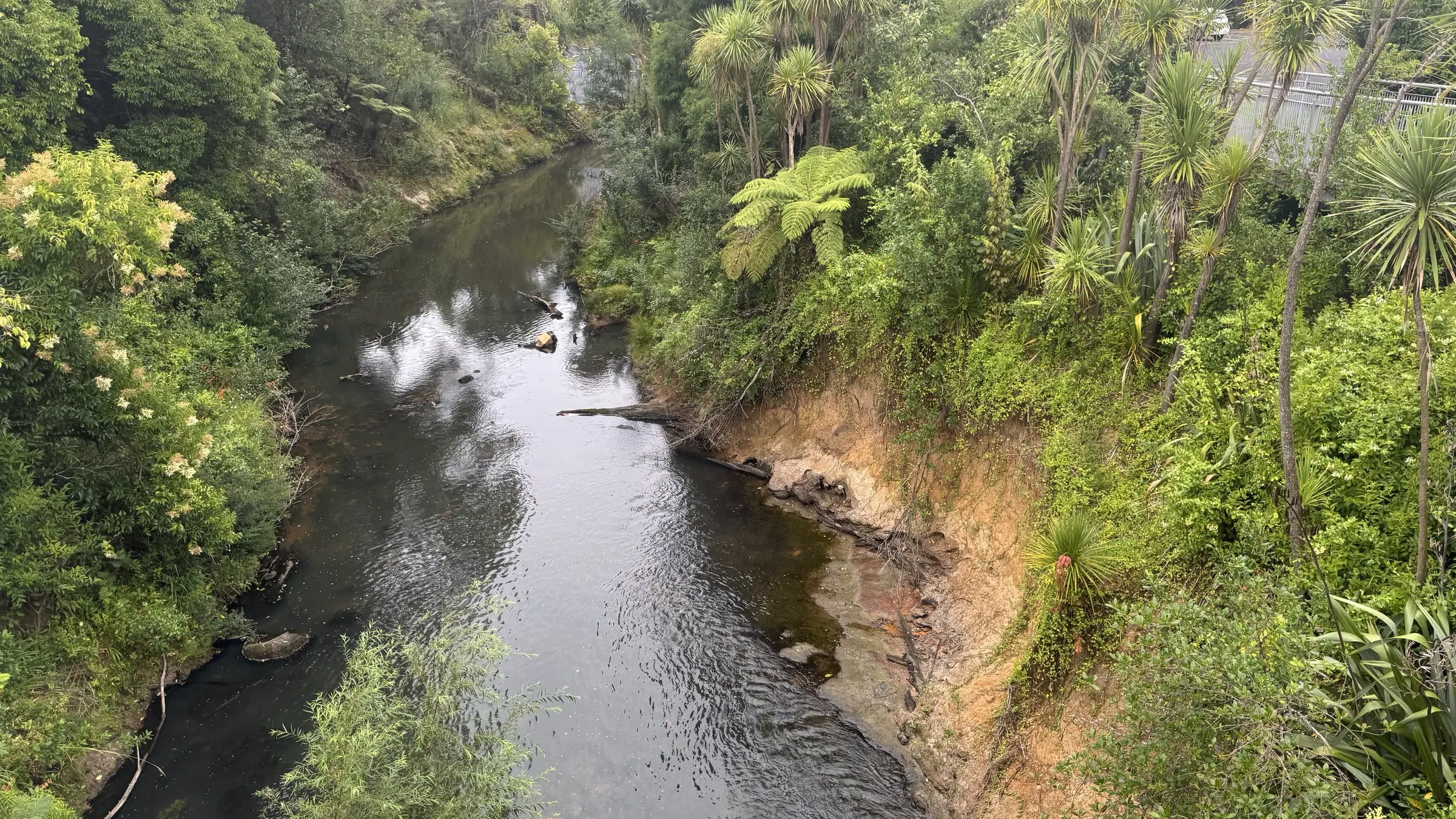
Auckland’s rolling terrain and variable soils create a unique set of challenges for land developers, engineers and councils. One of the most significant risks is slope instability, whether in the form of shallow slips, deep-seated landslides or ongoing creep on marginal slopes.
Slope stability isn’t just a geotechnical concern. It affects subdivision layouts, infrastructure design, stormwater management and long-term property values. Managing these hazards well requires a clear understanding of local ground conditions, practical design solutions and compliance with council expectations.
Why slope stability matters in Auckland
The Auckland region’s geology includes:
- Weathered volcanic soils (soft, clay-rich, often weak when wet)
- Residual clays from weathered greywacke (prone to creep and landslip)
- Uncontrolled fill on hillsides (a common legacy of older developments)
Combined with Auckland’s high rainfall and steep terrain in parts of the North Shore, Waitākere and the East Coast Bays, slope instability is a common challenge.
Unstable slopes can cause:
- Safety risks to people and property
- Road and infrastructure failures
- Ongoing maintenance liabilities for councils and owners
- Planning and consenting difficulties if hazards aren’t well addressed
Typical triggers for slope instability
Slope instability usually results from a combination of natural and human factors. The most common triggers we see on Auckland projects are:
- Excavation or cutting into slopes to create building platforms or roads
- Overloading from fills, retaining walls or buildings placed too close to the edge
- Poor drainage and increased groundwater pressure from stormwater discharges or leaking services
- Loss of vegetation cover, reducing root reinforcement and increasing erosion
Identifying these risks early is critical to managing them effectively.
How we assess slope stability hazards
A robust slope stability assessment typically includes several stages:
- Desk study. Reviewing geological maps, aerial photos and council records for known landslip areas.
- Site walkover. Observing ground features such as scarps, tension cracks, bulging ground and vegetation patterns.
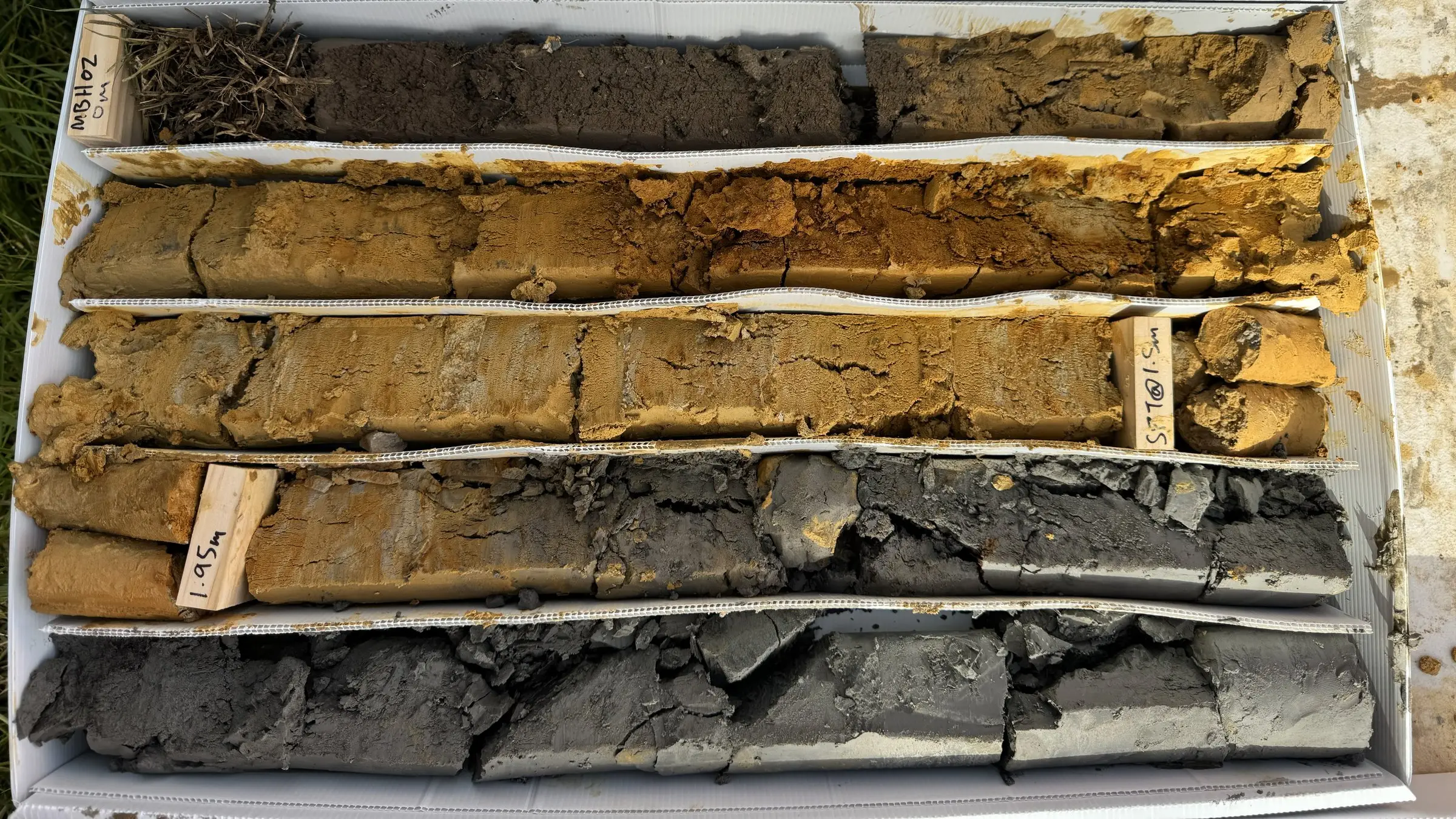
- Ground investigation. Boreholes, test pits and CPTs to characterise soil and rock strength, groundwater levels and the depth of weathering.
- Slope stability analysis. Numerical or limit-equilibrium modelling to evaluate potential failure surfaces and safety factors.
- Risk assessment. Evaluating the likelihood and consequences of slope movement, often using frameworks aligned with NZGS guidance.
Practical measures for managing slope hazards
1. Avoidance
The most effective solution is often to avoid developing on or near marginal slopes. This may mean adjusting subdivision layouts to locate building platforms and infrastructure on stable ground.
2. Engineering solutions
Where avoidance isn’t possible, slope performance can be improved with:
- Retaining structures, with proper geotechnical input
- Ground anchors or soil nails to stabilise slopes
- Reinforced earth embankments for controlled fills
3. Drainage management
Good drainage is often the key to slope stability. Measures include:
- Subsoil drains to lower groundwater
- Surface drains and swales to divert stormwater away from slopes
- Impermeable caps or vegetation to reduce infiltration
4. Vegetation and erosion control
Planting deep-rooted vegetation or using erosion-control mats can help stabilise near-surface soils and reduce runoff.
Working with council requirements
Auckland Council places strong emphasis on managing slope hazards in subdivision and building consent applications. Developers are typically required to provide:
- Geotechnical assessments of slope stability
- Confirmation that proposed building platforms and infrastructure are “safe for their intended use”
- Certification from a suitably qualified engineer that long-term risks are managed
By addressing these requirements proactively, developers can avoid costly requests for further information (RFIs) and delays in the consenting process.
Case example: slope hazard managed early
On a recent subdivision in a hilly part of Auckland, our early slope stability assessment identified marginal ground near a proposed road alignment. Instead of costly retaining walls, the design team shifted the road slightly upslope, reducing earthworks and placing the infrastructure on more stable ground.
The result was a lower construction cost, reduced geotechnical risk and a smoother consent process. Early identification and collaborative design made all the difference.
Our advice to developers and engineers
- Don’t ignore slope hazards. Even small slips can cause long-term issues.
- Engage a geotechnical engineer early. Slope stability is much easier to manage at concept design stage.
- Work with the guidance. Align assessments with the current NZGS modules and council expectations.
- Think long-term. Design solutions that perform for decades, not just for consent sign-off.
Conclusion
Slope stability hazards are a fact of life in many parts of Auckland. With the right geotechnical input they can be managed effectively and cost-efficiently. By identifying risks early, working collaboratively with designers and applying sound engineering solutions, developers can deliver safe, reliable and resilient projects.
At Gibb Ritchie Geotechnical Engineers we’ve helped clients across Auckland and New Zealand manage slope hazards and gain smooth council approvals. If you’re planning a project in challenging terrain, we’d be happy to help you get it right from the ground up.
Contact us to discuss your site, or see our retaining walls and slope stability service.