The new NZGS slope stability modules: what they mean for developers and engineers

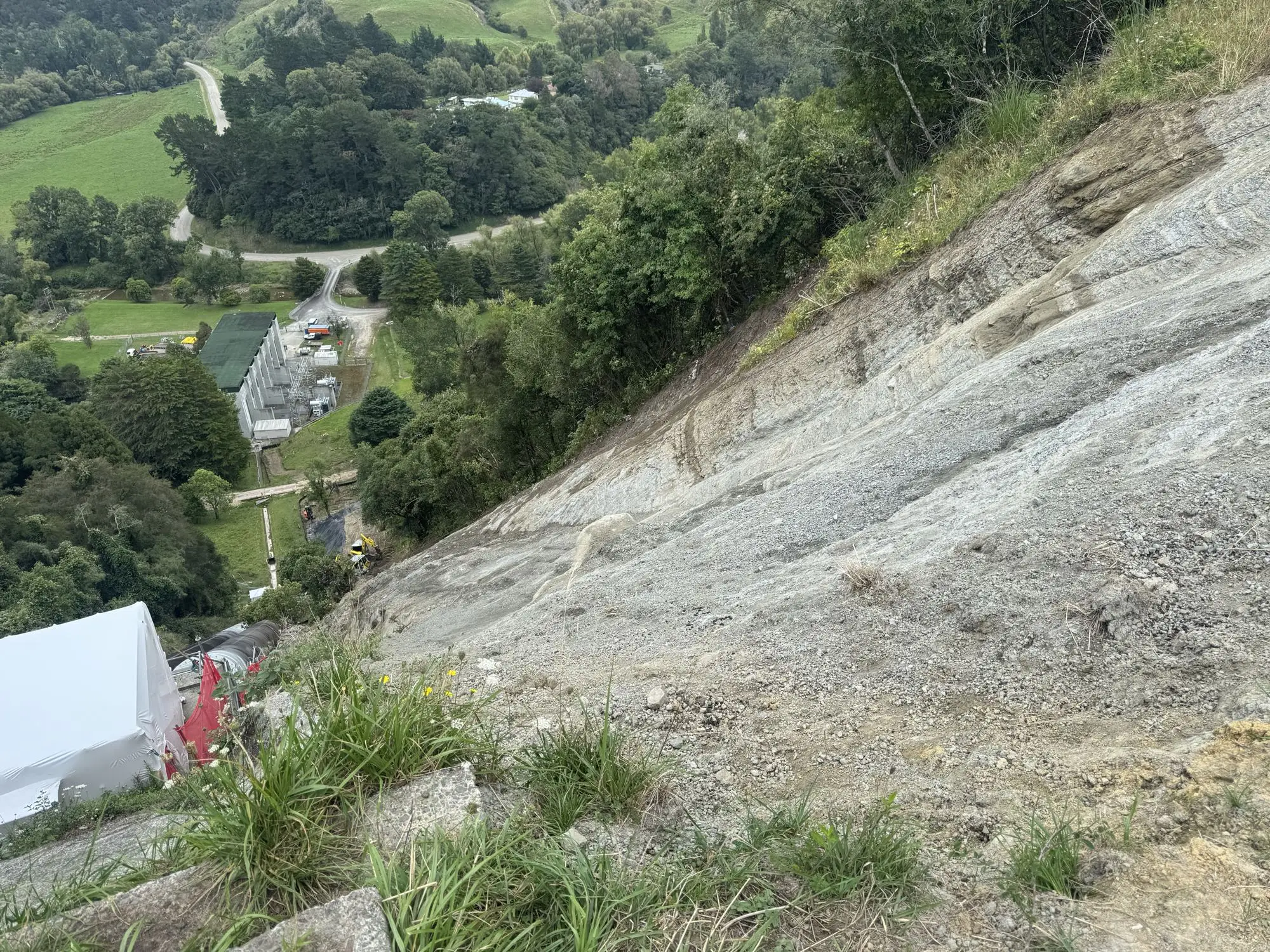
The New Zealand Geotechnical Society (NZGS) recently released comprehensive Slope Stability Guidance aimed at standardising the assessment and management of slope hazards across the country. The first unit was published in October 2024. For developers, engineers and planners, understanding this guidance is now more important than ever.
This article explains what the module covers, why it matters for Auckland projects, and how developers can bring it into their planning and design to reduce risk and streamline consenting.
Why the NZGS module matters
- Standardised methodologies for evaluating slope hazard risk
- Guidance on selecting appropriate investigation techniques
- Clear frameworks for reporting and communicating slope stability to stakeholders
For developers, this means projects can be assessed and designed with more certainty, and council approvals can be smoother when assessments follow recognised national standards.
Key features of the module
The module focuses on three main areas.
1. Risk-based assessment
Rather than applying generic factors of safety, the module encourages risk-based evaluation of slope hazards. Engineers assess both the likelihood of slope failure and the potential consequences for people, property and infrastructure.
2. Recommended investigation techniques
The module outlines best-practice methods for site investigations, including:
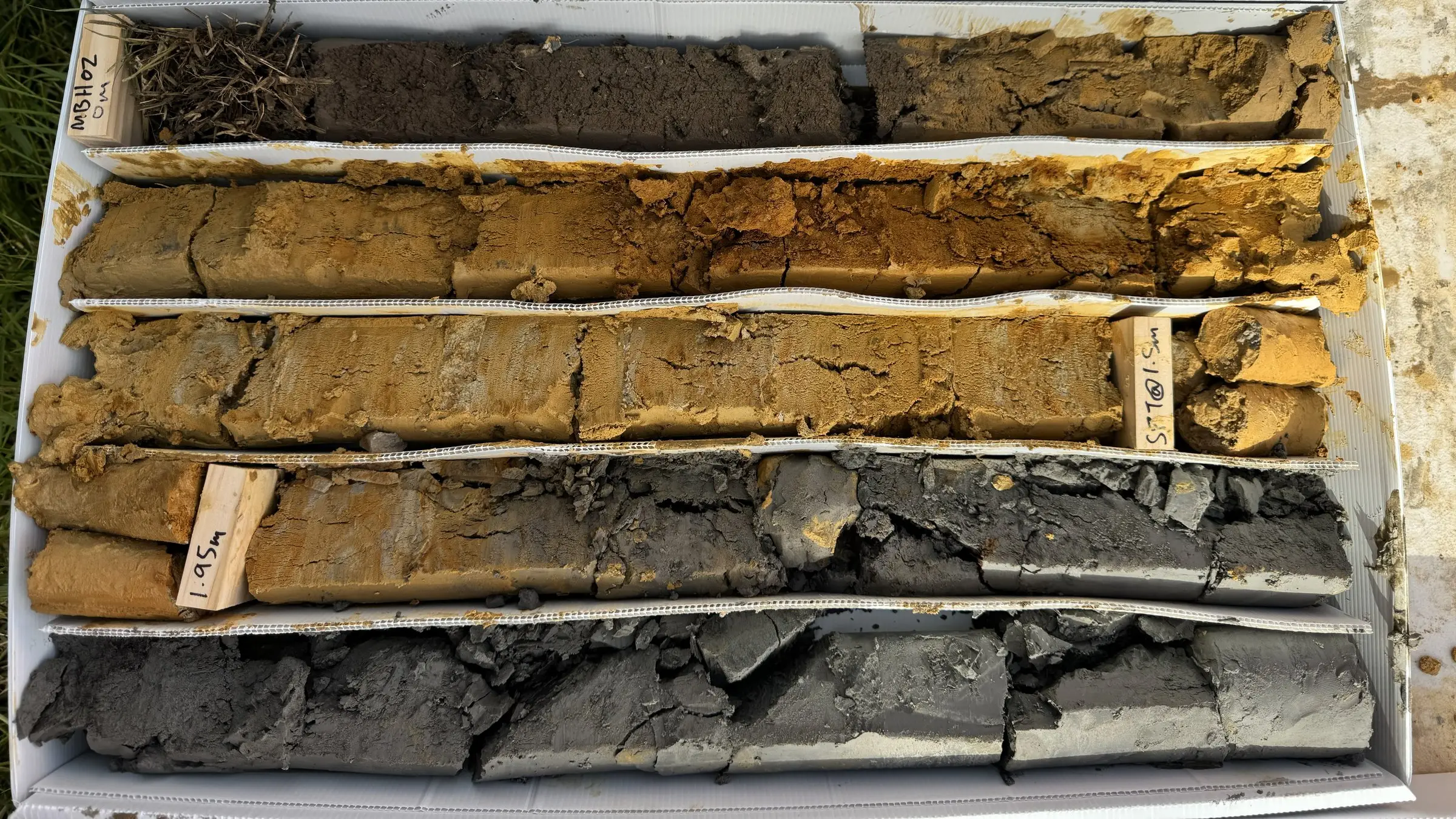
- Boreholes and test pits
- Cone penetration tests (CPTs)
- Geophysical methods where appropriate
- Monitoring techniques for marginal slopes
Following these recommendations means ground conditions are well understood and uncertainty in design decisions is reduced.
3. Standardised reporting and communication
The module provides templates and guidance for reporting slope stability findings to developers, councils and contractors. Clear communication helps everyone understand the risks, the mitigation measures and who is responsible for maintenance.
Implications for developers
Developers in Auckland and across New Zealand will benefit from the module through:
- Reduced uncertainty. A consistent approach to slope stability assessment makes budgeting and planning more reliable.
- Smoother consenting. Councils are more likely to accept assessments that follow recognised NZGS guidance.
- Design confidence. Early geotechnical input following the module helps make sure earthworks, roads and building platforms are safe and optimised.
Practical steps to comply with the NZGS module
To make the most of the new guidance, developers and engineers should:
- Engage a qualified geotechnical engineer early to bring the module’s recommendations into concept design.
- Plan investigations according to the module: desktop study, boreholes, CPTs and monitoring where required.
- Document findings clearly in line with the standardised reporting guidelines.
- Build mitigation into the design: retaining structures, drainage and slope reinforcement where needed.
Conclusion
The new NZGS Slope Stability Guidance is a significant step forward in standardising slope hazard assessment across New Zealand. For developers and engineers, adopting it early means less risk, more reliable design and smoother consent processes.
At Gibb Ritchie Geotechnical Engineers we build the NZGS guidance into our slope stability assessments and project planning, so our clients get practical, risk-informed advice. Applied early in a project, these standards help developers make informed decisions, optimise designs and achieve better outcomes.
Contact us to find out how we can help your next project comply with the NZGS guidance and manage slope risks effectively.