
Geotechnical reports for building and resource consent
Need a geotechnical report for council? We prepare clear, council-ready reports that your designers can use and that answer the questions consent planners ask.
Every report is based on an investigation of your site and written by engineers who know Auckland's ground.
When you need us
- Building consent: new homes, extensions, retaining walls and commercial buildings
- Resource consent: subdivisions, earthworks and development on sloping or hazard-prone land
- Geotechnical completion reports confirming earthworks and lot conditions for 224(c)
- Due diligence and pre-purchase reports before you buy or commit to a site
- Slope stability and liquefaction reports for sites in council hazard overlays
- Responses to council RFIs, with clear answers to keep your consent moving
What's included
- Site description, geology and ground conditions
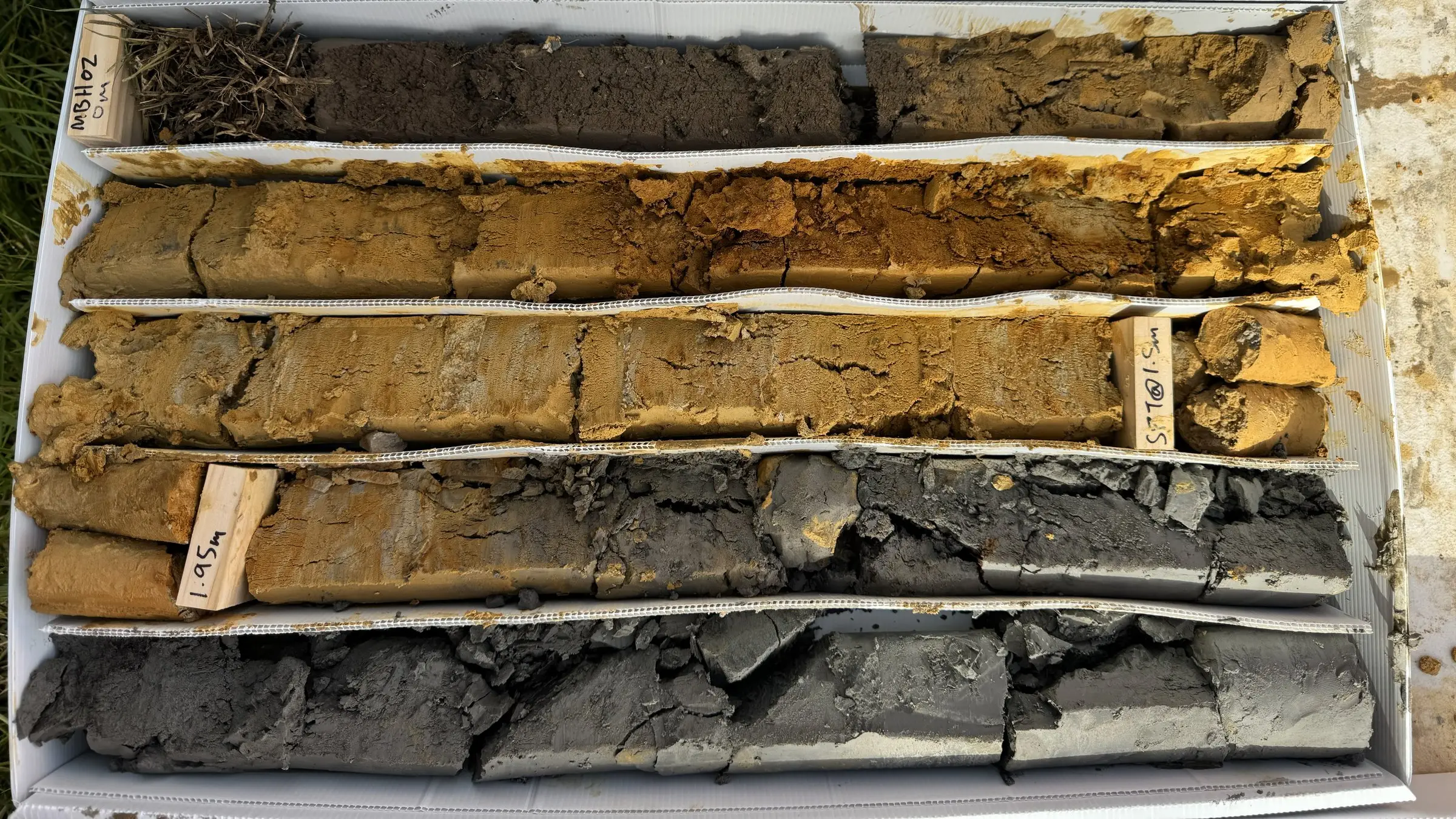
- Investigation logs and test results with a site plan
- Groundwater observations
- Soil and seismic subsoil classification
- Foundation, retaining and earthworks recommendations
- Slope stability and liquefaction assessment where needed
- Construction considerations and geotechnical risks
Reading an Auckland geotech report
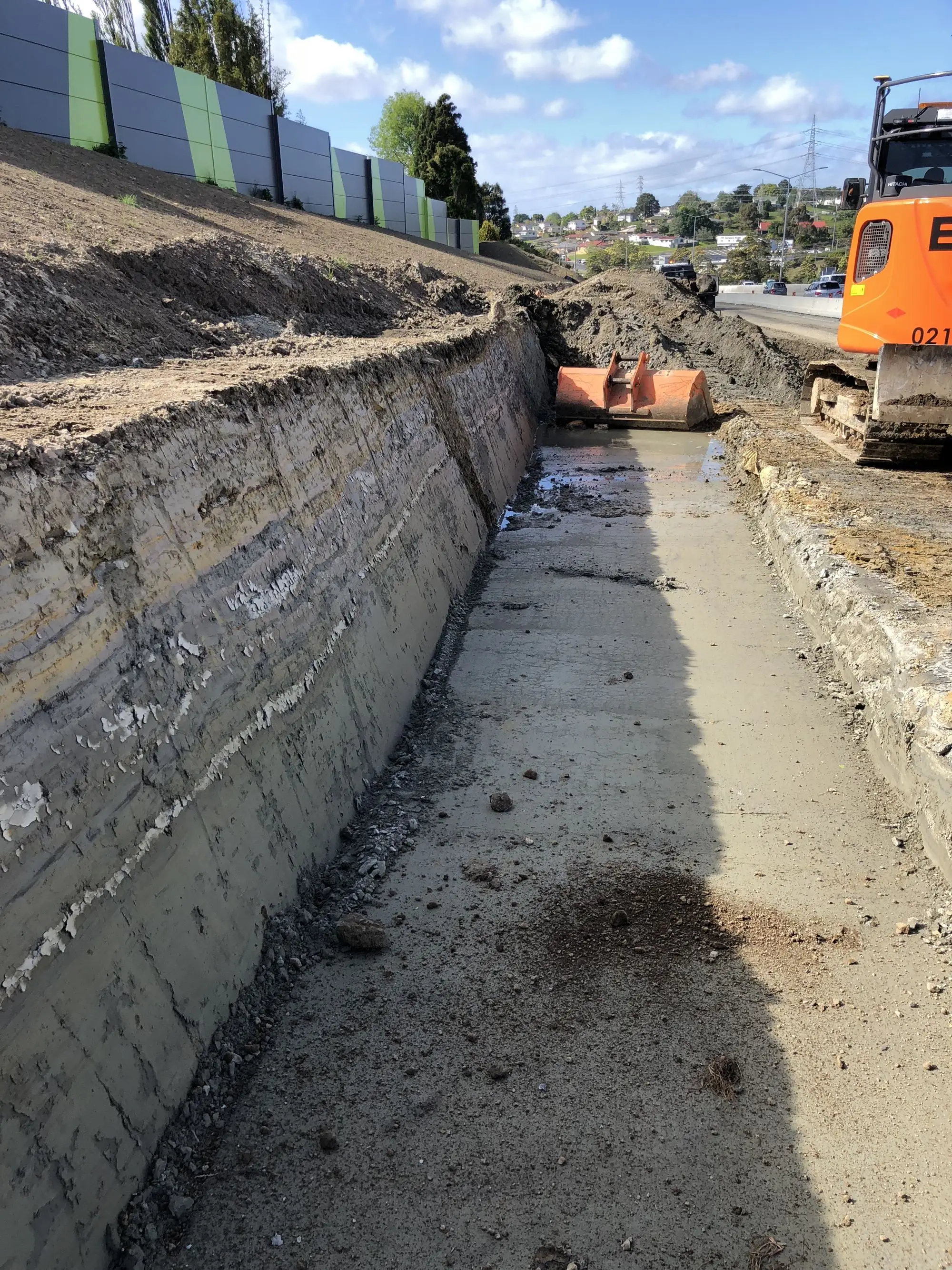
Council planners mostly want to know three things: is the ground good enough for what you're building, are natural hazards such as instability, flooding or liquefaction managed, and will the work affect your neighbours. We structure every report so those answers are easy to find, which is the quickest way through processing.
Ground conditions by area: North Shore, Hibiscus Coast, West Auckland, East Auckland, Franklin, Waiheke & the Gulf Islands
What we work to
Our advice follows current New Zealand standards and guidance, and what Auckland Council expects to see in a consent application.
- Building Code clause B1 Structure and verification method B1/VM2
- Building Act sections 71 to 74 (building on land subject to natural hazards)
- Auckland Unitary Plan chapter E36: Natural hazards and flooding
- NZGS / MBIE Earthquake Geotechnical Engineering Practice modules
- Auckland Council Code of Practice for Land Development and Subdivision, Chapter 2
From site address to signed-off report
Send us your plans and the site address
Architectural or scheme plans, and any existing reports.
Desk study
We review geology maps, the NZ Geotechnical Database, council records and historic aerials.
Proposal
A clear scope, fixed fee and programme before any work starts.
Site work and report
Fieldwork with minimal disruption, then clear findings and practical recommendations.
Ongoing support
We answer council RFIs and support you through design and construction.
Common questions
Why does council need a geotechnical report?
To confirm the ground can safely support what you're building and that hazards like slope instability, soft soils or liquefaction are managed.
How much does a geotechnical report cost?
It depends on the site, the project and the testing needed. We give you a clear, fixed scope and fee up front.
How long does it take?
Fieldwork is often done in a day for residential sites. Your proposal sets out the full programme.
Can you update or review an existing report?
Yes. If you have an older report or one from another firm, we can review it and advise whether it needs updating.
Is a desktop report enough?
Sometimes, for low-risk sites and early feasibility. Council usually needs site-specific testing for building consent, and we will tell you which applies before you spend money.
Need a geotechnical report? Send us your site address and plans, and we'll give you a clear scope and fixed fee.
You get a clear, fixed scope and fee up front. Prefer to talk? Call 09 218 6915 or email info@gibbritchie.co.nz.