
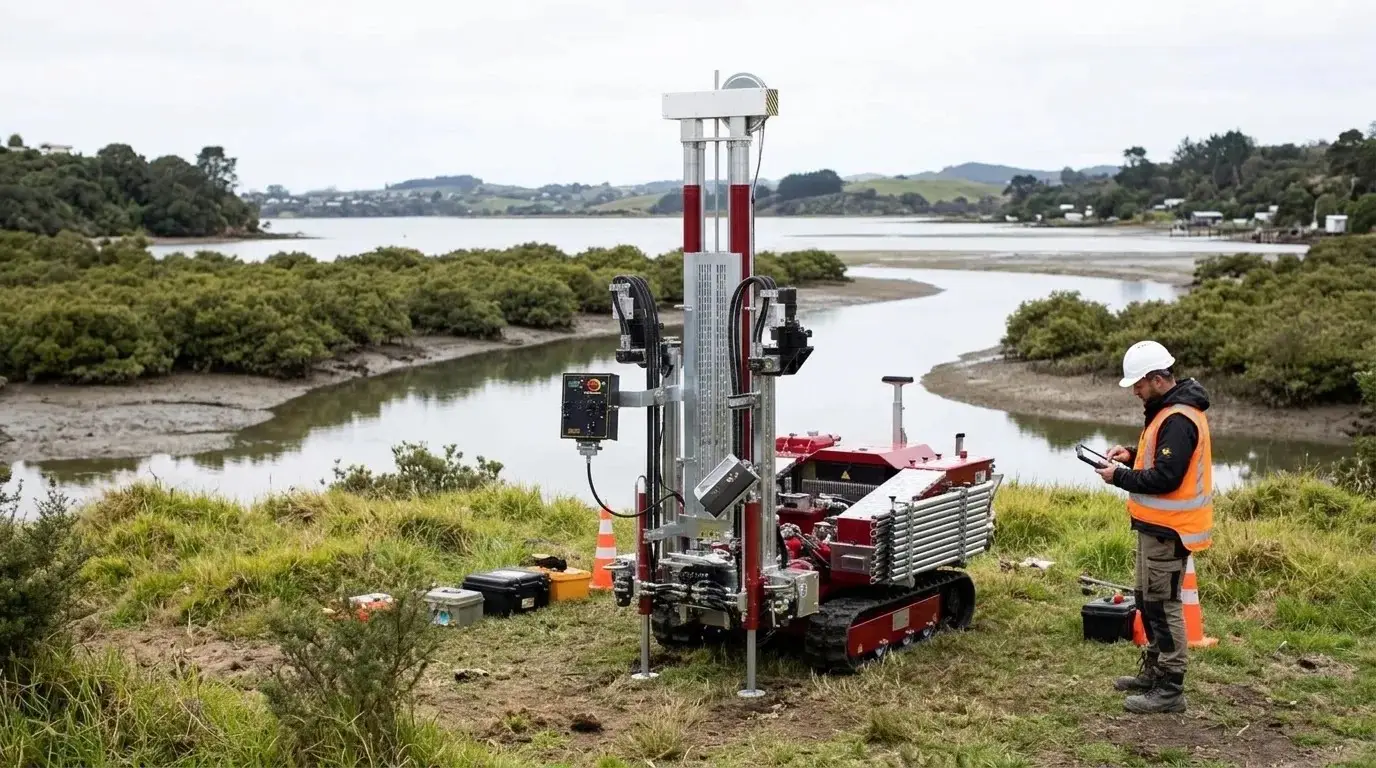
Seismic and liquefaction assessment
Some soils lose strength in an earthquake, which can damage foundations and services. A clear seismic assessment tells you whether your site is at risk and what to do about it.
We assess seismic hazards in line with NZGS guidance and give practical recommendations your designers can use.
When you need us
- Sites on reclaimed land, alluvium or loose sands
- Land near streams, estuaries or the coast
- Council liquefaction or hazard overlays
- Larger buildings and subdivisions
- Due diligence on an existing site
What's included
- Seismic site subsoil class
- Liquefaction triggering and settlement assessment, usually from CPT data
- Lateral spread assessment near free faces
- Ground improvement and foundation recommendations
- Reporting for building and resource consent
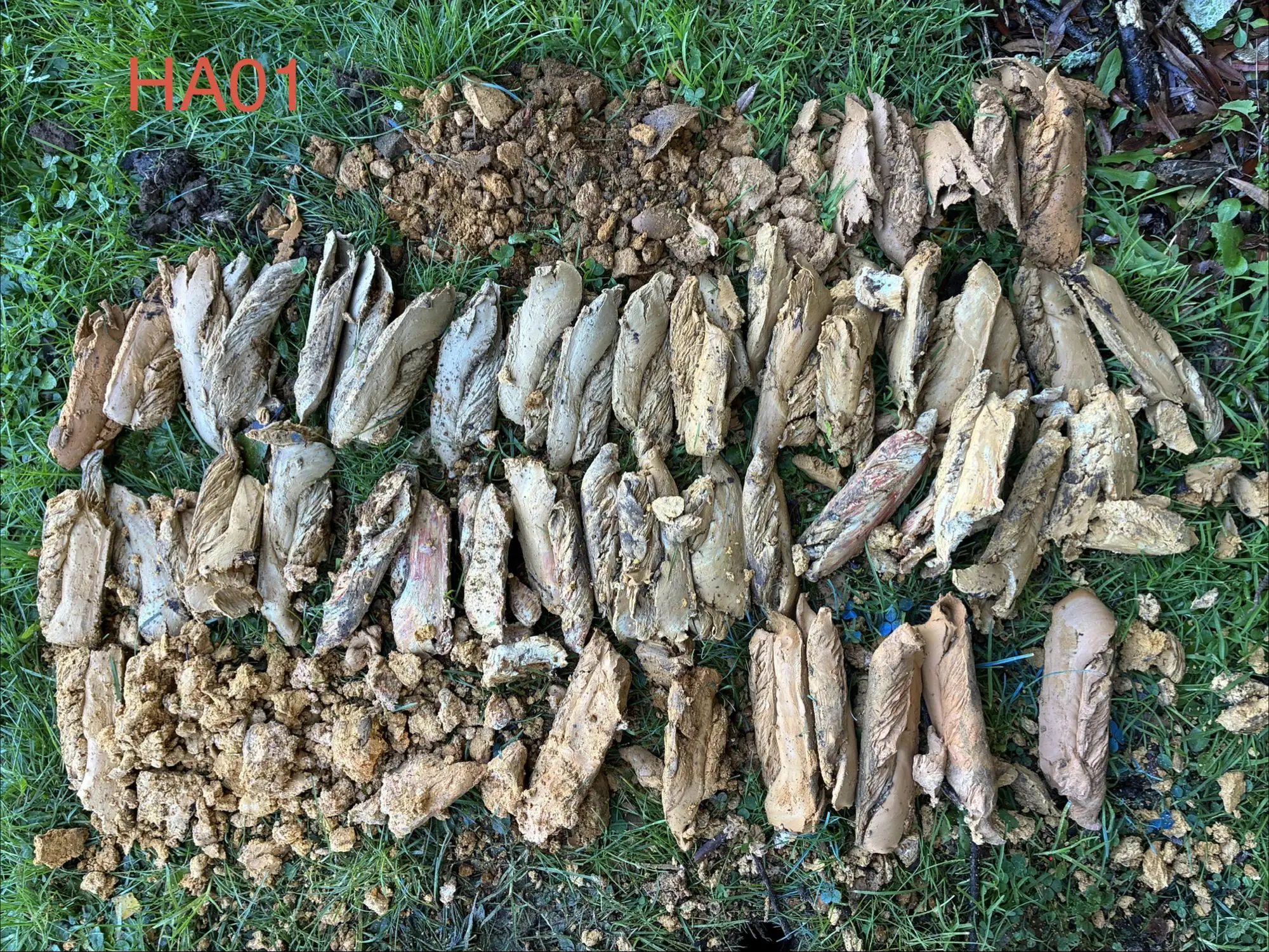
Liquefaction risk in Auckland
Auckland has lower earthquake hazard than Wellington or Canterbury, but liquefaction can still occur in loose, saturated soils. The usual suspects are reclaimed land around the harbour edges, estuarine deposits and young alluvium in South Auckland. Council mapping is a screening tool only, and a CPT on your actual site usually settles the question.
Ground conditions by area: Takapuna & Devonport, South Auckland
What we work to
Our advice follows current New Zealand standards and guidance, and what Auckland Council expects to see in a consent application.
- NZGS / MBIE Module 3: Identification, assessment and mitigation of liquefaction hazards
- MBIE / MfE Planning and engineering guidance for potentially liquefaction-prone land
- NZS 1170.5 seismic site subsoil classes
From site address to signed-off report
Send us your plans and the site address
Architectural or scheme plans, and any existing reports.
Desk study
We review geology maps, the NZ Geotechnical Database, council records and historic aerials.
Proposal
A clear scope, fixed fee and programme before any work starts.
Site work and report
Fieldwork with minimal disruption, then clear findings and practical recommendations.
Ongoing support
We answer council RFIs and support you through design and construction.
Common questions
Is liquefaction a risk in Auckland?
It's lower than in some regions, but it can occur on reclaimed land and loose, saturated soils. An assessment confirms your site's risk.
What tests do you use?
Usually CPTs, which give a continuous soil profile. We may add boreholes and lab testing.
What if my site is at risk?
Options include stiffer foundations, piles or ground improvement. We'll recommend what suits your project.
What is site subsoil class?
A seismic classification of your ground (A to E) that your structural engineer uses for design.
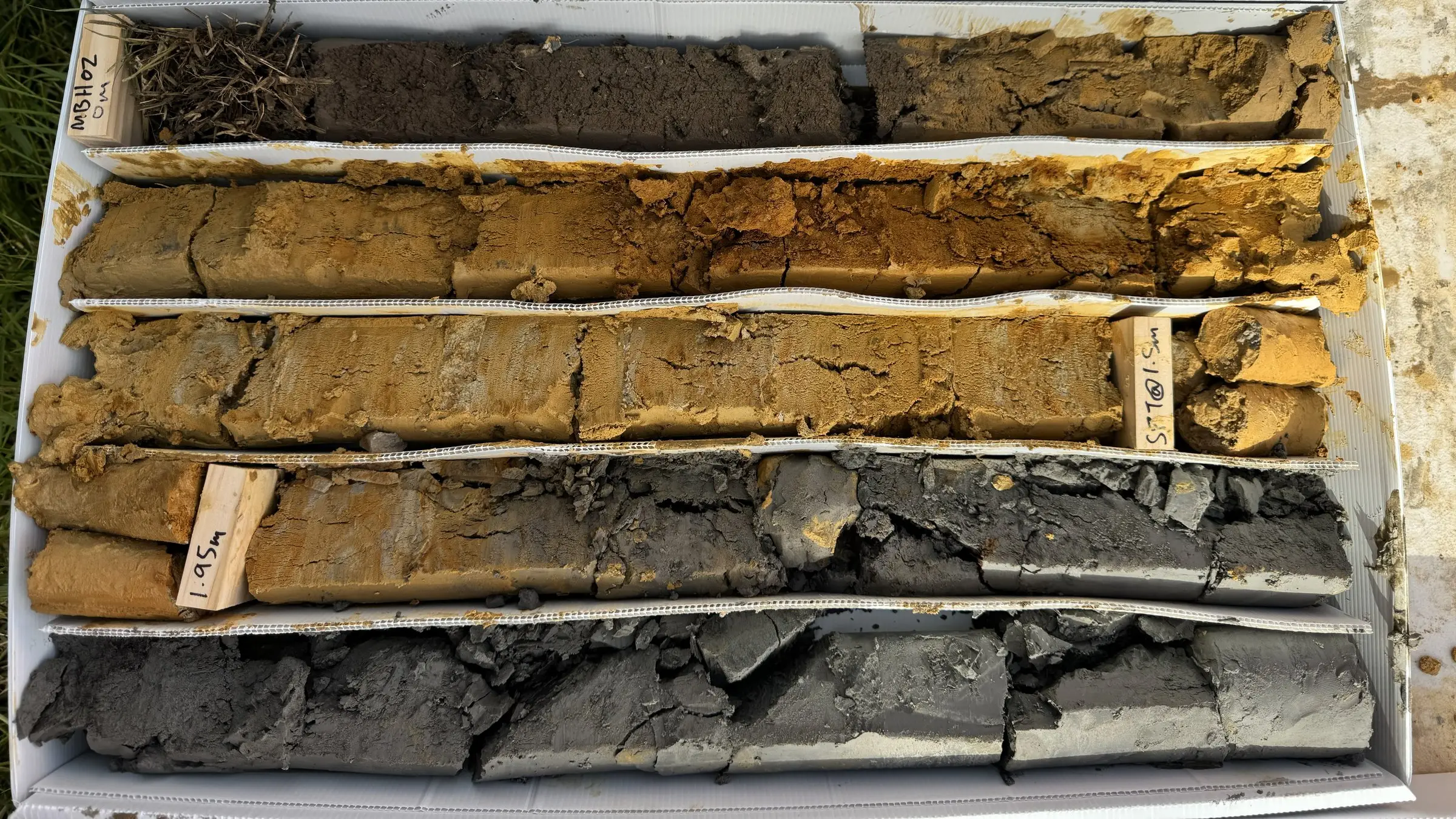
Concerned about seismic risk? Send us your site address and we'll tell you what assessment you need.
You get a clear, fixed scope and fee up front. Prefer to talk? Call 09 218 6915 or email info@gibbritchie.co.nz.